Random Events and Smart Decision Making
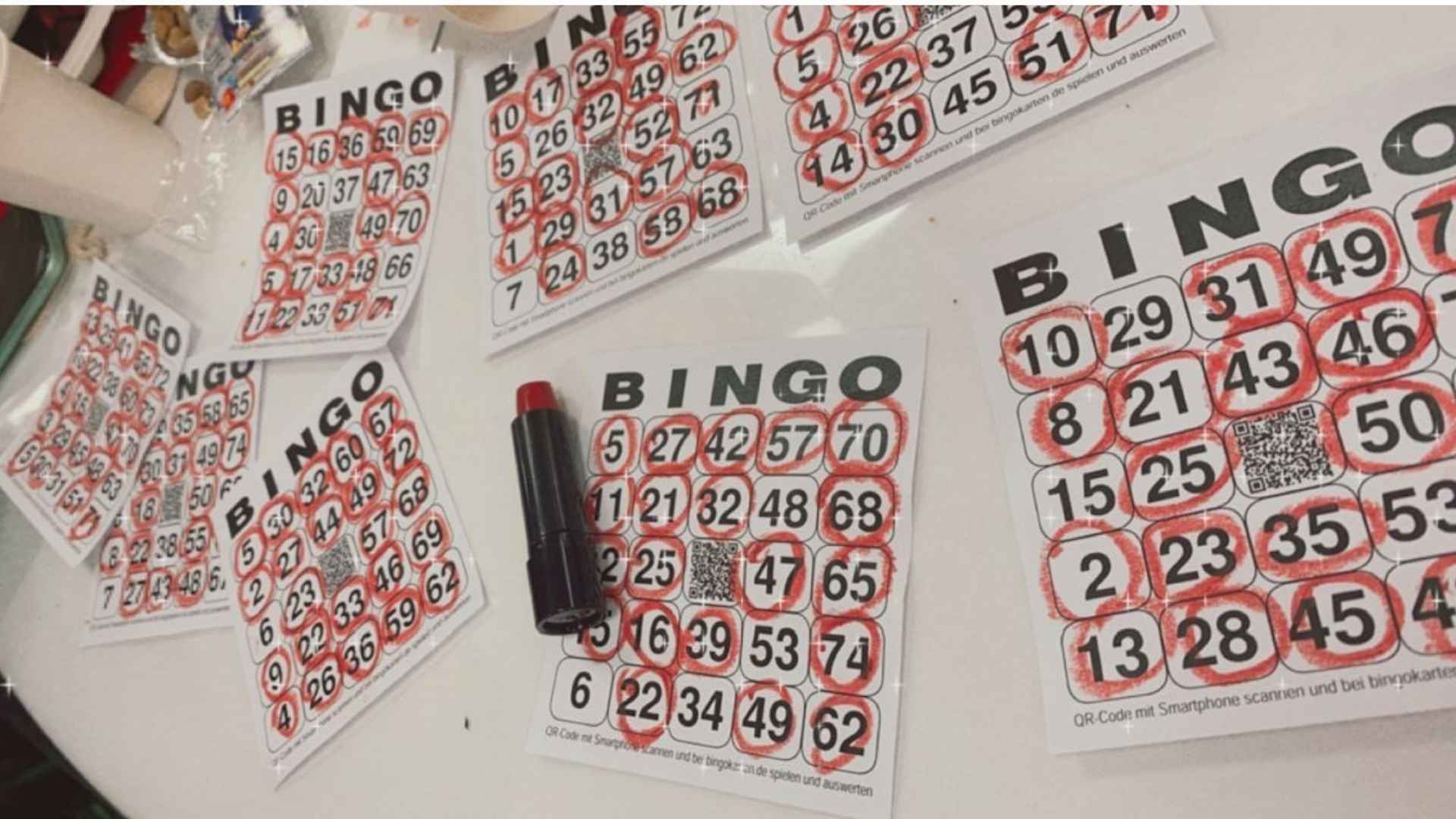
Life is full of unexpected occurrences that can upend even the most meticulously crafted plans. Navigating these unpredictable moments requires a delicate balance between rational preparation and real-time adaptability. By understanding how randomness shapes our daily environments, individuals can make smarter choices without succumbing to anxiety.
The Psychology of Unpredictability
Human beings naturally crave a high degree of control and predictability over their circumstances. When faced with absolute ambiguity, the brain often falls into patterns of cognitive distortion or learned helplessness. Recognizing that some events are simply beyond personal influence is the first step toward mental resilience.
Instead of forcing a rigid framework onto a chaotic situation, strategic thinkers develop a flexible mindset. This approach allows people to view unexpected challenges as unique opportunities for growth rather than disruptive threats. Embracing this perspective lowers stress levels and enhances overall cognitive clarity during crises.
Balancing Proactive and Reactive Strategies
While proactive planning is valuable for foreseeable challenges, over-preparing for a singular future can deplete essential resources. A truly effective decision-making process integrates both proactive preparation and agile reactive readiness. This dual approach ensures you can adjust your course safely when real-world circumstances shift abruptly.
Developing an analytical mindset means studying recurring patterns while accepting the inherent limits of human foresight. For individuals looking to practice these strategic assessments, finding a trustworthy portal like M88 link can provide an excellent space to observe digital probabilities. Learning how systems manage unexpected data points can significantly improve your real-world risk management skills.
Fostering Adaptability and Long-Term Success
Building analytical skills takes consistent practice and a commitment to objective sense-making. Decision makers must learn to separate pure chance from genuine tactical skill to evaluate their outcomes accurately. This distinction prevents the common mistake of assuming a lucky outcome was the result of a perfect strategy.
Ultimately, navigating deep uncertainty is an ongoing journey of learning and personal development. By focusing on short-term actions within your immediate control, you safeguard your progress against external chaos. Embracing the unpredictable world with agility ensures sustained growth and smarter choices over time.